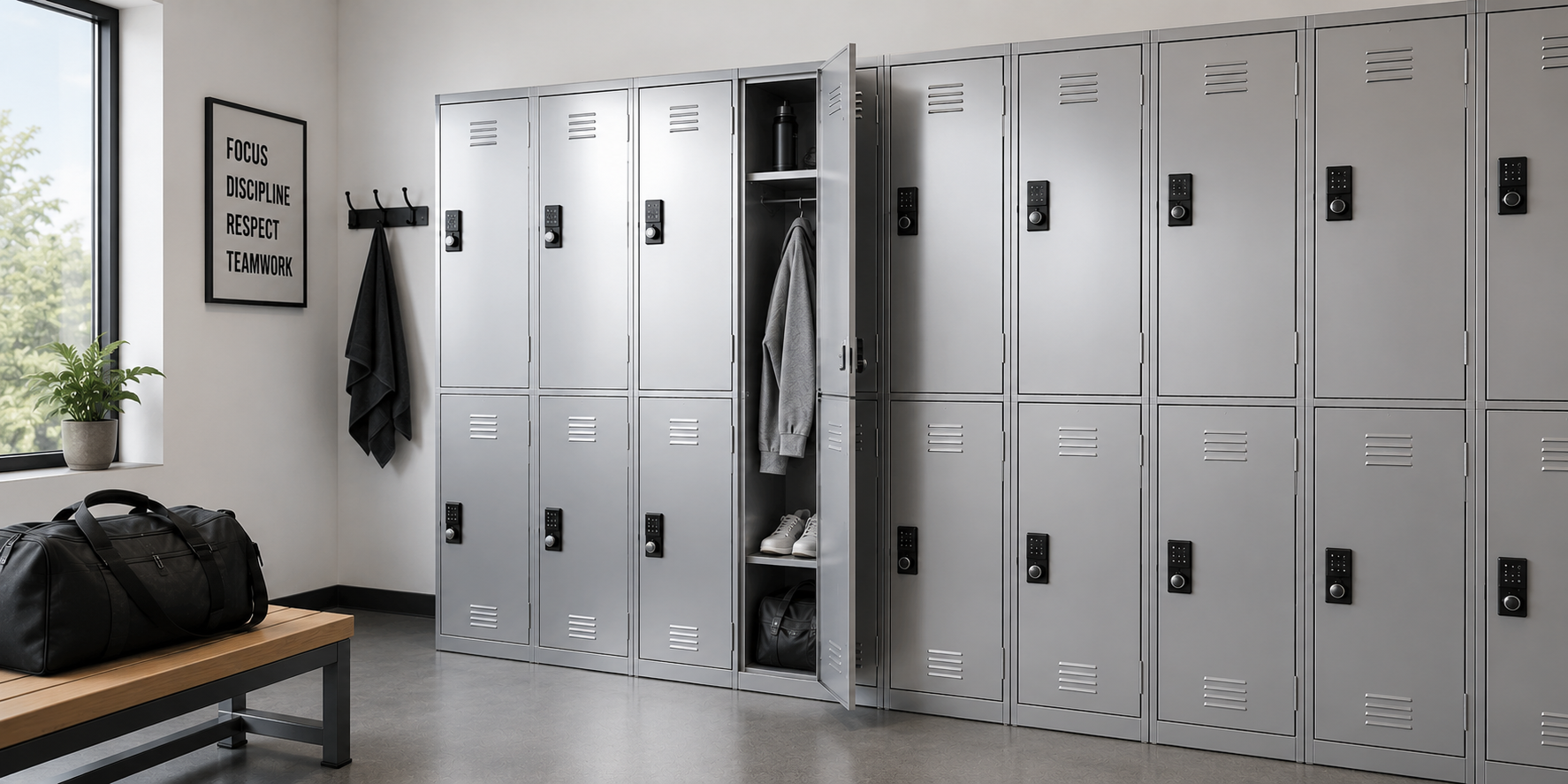
When it comes to storing valuable items, security is a top priority. Whether you’re managing a workplace, gym, school, or public facility, choosing the right locker system is crucial. But which offers better protection—smart lockers or traditional lockers? In this blog, we’ll break down the differences in security features, convenience, and overall reliability to help you make an informed decision.
What Are Smart Lockers?
Smart lockers are high-tech storage solutions that incorporate electronic locking mechanisms, remote access, and real-time monitoring. They are commonly used in workplaces, parcel delivery services, gyms, and universities to enhance security and efficiency.
Security Features of Smart Lockers:
- Electronic Locks – Unlike traditional key-based systems, smart lockers use PIN codes, RFID cards, biometric authentication, or mobile apps for access control.
- Real-Time Monitoring – Many smart locker systems come with integrated software that logs every access attempt, providing an audit trail for security purposes.
- Remote Access & Management – Administrators can control and monitor locker access remotely, reducing the risk of unauthorised entry.
- Anti-Tampering Technology – Some smart lockers have built-in sensors that detect forced entry attempts and send alerts to security personnel.
What Are Traditional Lockers?
Traditional lockers are the classic storage solution, often made of metal or wood, and secured using key locks, combination locks, or padlocks. They have been widely used for decades in schools, offices, and leisure centres.
Security Features of Traditional Lockers:
- Key Locks & Padlocks – Simple and widely used, but keys can be lost or stolen, and padlocks can be picked or cut.
- Combination Locks – Offer keyless access but are vulnerable to being cracked if someone observes the code entry.
- Durable Materials – Built from strong materials, traditional lockers can withstand physical force, but they lack real-time security tracking.
- Limited Access Control – Unlike smart lockers, traditional lockers do not provide remote monitoring or digital tracking of who accesses them.
Which Locker Type is Right for You?
The choice between smart lockers and traditional lockers depends on your security needs and budget. Here’s a quick guide:
- Choose Smart Lockers If: You require advanced security, remote management, and detailed access tracking—ideal for businesses, parcel deliveries, and high-security environments.
- Choose Traditional Lockers If: You need a cost-effective and simple storage solution for low-risk environments, such as schools or recreational facilities.
Conclusion
Smart lockers clearly offer superior security through electronic locking systems, remote access, and real-time monitoring. While traditional lockers remain a reliable and budget-friendly option, they lack the advanced protection that modern smart lockers provide. If security is your top concern, investing in smart lockers is the smarter choice.
Are you looking to upgrade your locker system? Contact us today to explore our range of secure smart lockers!