Introduction
When outfitting a workplace, school, gym, or public facility, it is common for businesses to bundle locker procurement into a general furniture contract. While this may seem like a convenient and cost-saving approach, it often leads to subpar locker quality, limited customisation, and logistical challenges.
Lockers serve a different purpose from standard furniture and should be treated as a specialist purchase. This blog explores the key reasons why lockers should be procured separately from furniture contracts to ensure durability, functionality, and long-term value.
1. Lockers Require Specialist Expertise
Unlike desks, chairs, and office storage units, lockers are security-critical and high-traffic installations. The wrong selection can lead to early wear and tear, security risks, and poor user experience.
Why Specialist Locker Suppliers Matter:
✔ Material Expertise: Locker specialists understand which materials (metal, laminate, plastic) work best for different environments.
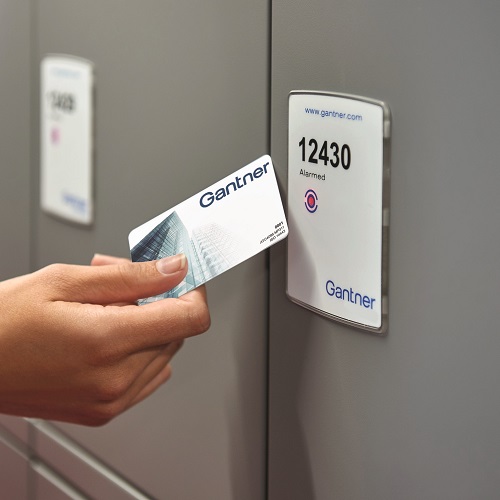
✔ Security Focus: Specialist providers offer a wider range of lock options, including RFID, combination locks, and digital access.
✔ Durability Testing: Lockers are subject to constant use and impact, requiring different construction standards from office furniture.
2. Furniture Suppliers Lack Locker-Specific Customisation
Furniture contracts often limit locker customisation to basic materials and colours, while specialist locker providers offer tailored solutions for different industries.
Key Customisation Limitations in Furniture Contracts:
❌ Size and Layout Restrictions: Standard furniture suppliers may not offer multi-tier, Z-lockers, or smart lockers tailored to your needs.
❌ Ventilation & Hygiene Features: Specialist suppliers provide lockers with antimicrobial coatings, drainage systems, and ventilation for hygiene-sensitive environments.
❌ Branding & Aesthetic Options: Locker specialists allow customisation of colours, logos, and finishes to match corporate or facility themes.
3. Higher Risk of Installation Issues
Lockers require secure, level, and correctly spaced installation, which differs from placing desks and chairs.
Why Separate Locker Installation Is Essential:
✔ Site-Specific Considerations: Lockers often need wall-mounting, floor anchoring, or integration into changing rooms, which general furniture installers may overlook.
✔ Weight & Structural Load: Unlike standard furniture, lockers must handle significant weight, requiring reinforced installation.
✔ Security & Accessibility Compliance: Correct positioning ensures compliance with fire safety regulations, ADA/disability access, and security needs.
4. Long-Term Cost and Maintenance Factors
Furniture contracts prioritise aesthetic appeal and bulk pricing, but lockers must prioritise longevity and security.
Potential Issues with Lockers in Furniture Contracts:
❌ Lower Durability: Non-specialist lockers may use thinner steel, lower-grade laminate, or inferior hinges that fail under heavy use.
❌ Limited Replacement Parts: Furniture providers may not stock spare parts for locker repairs, leading to costly replacements.
❌ Shorter Lifespan: Quality lockers last 10-15 years, while cheap alternatives deteriorate quickly, increasing long-term costs.
Benefits of Specialist Locker Suppliers:
✔ Higher Build Standards: Designed to withstand frequent use in gyms, schools, and workplaces.
✔ Easier Repairs & Maintenance: Spare parts (locks, doors, hinges) are readily available from dedicated locker providers.
✔ Better Investment: Though initially more expensive, specialist lockers save money in the long run by reducing repair/replacement costs.
5. Compliance and Security Considerations
Lockers often store personal belongings, uniforms, or valuable equipment, requiring stronger security than typical office storage.
Security Risks in Bundled Furniture Contracts:
❌ Weak Locking Mechanisms: Basic cam locks may be used instead of RFID, digital, or keyless entry systems.
❌ Poor Ventilation & Hygiene: Unspecialized lockers may lack anti-bacterial coatings or moisture-resistant materials, leading to mould, odours, and contamination risks.
❌ Regulatory Compliance Issues: Lockers in certain industries (e.g., healthcare, education, finance) must meet specific security and hygiene regulations.
Why Specialist Lockers Ensure Compliance:
✔ Industry-Specific Solutions: Designed for GDPR-compliant document storage, secure staff lockers, and high-hygiene hospital storage.
✔ Tamper-Resistant Locks: Advanced locking options deter theft and unauthorised access.
✔ Fire Safety & ADA Compliance: Properly ventilated and fire-retardant lockers meet safety regulations.
Conclusion: Prioritise Specialist Locker Procurement
While bundling lockers into furniture contracts may seem convenient, it often leads to lower quality, security risks, and increased long-term costs.
To ensure you get the best value, durability, and security, work with a specialist locker supplier like Lockertek, the UK’s leading locker services company. By doing so, you’ll benefit from custom solutions, professional installation, and long-term support tailored to your needs.
For expert advice and a full range of high-quality lockers, contact Lockertek today!